Silk fibroin is one of nature's most remarkable materials. Weight for weight, it is stronger than steel, more elastic than nylon, and more flexible than rubber. Yet it is produced from just two amino acids: alanine and glycine. For centuries, silk from silkworms (Bombyx mori) remained primarily a textile material—beautiful but not yet recognized for its potential in medicine. In the past two decades, biotechnology has unlocked silk fibroin's potential as a biologic wound dressing, harnessing both natural silk fibroin from silkworms and engineered silk fibroin proteins. The result is a new class of biologic wound dressing that is changing how we think about wound healing at the cellular level.
This article explores the science of silk fibroin in wound care, the mechanisms by which it accelerates healing, the clinical evidence supporting its use, and why this technology represents a genuine advance in biologic wound management.
Silk Fibroin: Nature's Exceptional Biopolymer
The Biology of Silk Fibroin
Silk fibroin is produced in specialized glands in silkworms (Bombyx mori), where a soluble protein precursor is synthesized, processed, and extruded as a fiber. The primary protein is fibroin—a long-chain polymer composed primarily of beta-sheet structures formed from repeating blocks of alanine and glycine residues, with periodic blocks of more complex amino acid sequences that add toughness and flexibility.
The strength comes from the beta-sheet structure itself. Beta-sheets are one of two primary secondary structures in proteins (the other being alpha-helices). In silk fibroin, beta-sheets form a dense, crystalline network that provides exceptional tensile strength. The alanine-rich regions create the crystalline core, while the more complex sequences provide amorphous regions that allow the fiber to flex and absorb energy without breaking.
This combination—exceptional strength plus exceptional elasticity—is rare in nature. Silk fibroin can be stretched to 130% of its original length before breaking, absorbing tremendous energy while maintaining integrity. That combination makes it ideal for a biological material intended to reinforce a wound and support healing.
Silk Fibroin Source: Bombyx Mori Silkworms
Silk fibroin has been produced by silkworms (Bombyx mori) for thousands of years and remains the gold standard for natural silk production. Silkworm silk is cultivated, harvested, and processed for medical applications with proven safety and biocompatibility.
SYLKE uses silk fibroin sourced from Bombyx mori silkworms—grown in India, woven in Italy, and manufactured in the USA. The fibroin is purified using a patented process that removes sericin (the immunogenic outer coating), yielding 99.99% pure fibroin. This purification is what makes medical-grade silk fibroin fundamentally different from raw silk. The resulting material is scalable, reproducible, biocompatible, and proven safe for medical use.
Why Silk Fibroin is Biocompatible
Silk fibroin triggers minimal immune response. The reasons are multiple:
First, it is composed of only amino acids—the same building blocks that make up all human proteins. There are no foreign chemical moieties or synthetic polymers that the immune system recognizes as "non-self."
Second, the amino acid composition is simple and uniform. The repetitive alanine-glycine backbone lacks the complex epitopes (antigenic sites) that trigger strong immune responses. Human immune cells don't recognize it as a threat.
Third, silk fibroin does not trigger pattern-recognition receptors that mediate innate immunity. The protein is not a pathogen-associated molecular pattern (PAMP) and does not activate the inflammatory cascade.
This biocompatibility is crucial. A wound dressing that provokes strong immune activation will increase inflammation, slow healing, and cause tissue damage. Silk fibroin avoids this problem entirely. Studies have shown that silk fibroin causes minimal inflammatory response in wound tissue, with no increase in pro-inflammatory cytokines like TNF-alpha or IL-6 when applied topically.
The Mechanism of Wound Healing: What Needs to Happen
Before discussing how silk fibroin accelerates healing, we need to understand what normal wound healing entails. Acute wound healing occurs in four overlapping phases:
Phase 1: Hemostasis and Inflammation (0-3 days)
Immediately after injury, the coagulation cascade stops bleeding, forming a fibrin clot. Platelets and inflammatory cells (neutrophils, then macrophages) infiltrate the wound. These cells release inflammatory mediators and growth factors. Inflammation is necessary—it removes debris and bacteria, activates fibroblasts, and primes the healing response. But excessive inflammation delays healing and increases scarring.
Phase 2: Proliferation (3-21 days)
Fibroblasts proliferate and migrate into the wound, depositing collagen (primarily type I and III collagen). Simultaneously, endothelial cells form new blood vessels (angiogenesis)—the wound needs oxygen and nutrients to heal, which requires vascular supply. Epithelial cells at the wound margins proliferate and migrate inward to re-epithelialize the defect.
Phase 3: Remodeling (weeks to months)
Type III collagen is gradually replaced with type I collagen (which is stronger). The wound matures, scar tissue forms, and vascular density gradually decreases as the wound becomes less metabolically active.
The critical insight: wound healing depends on orchestrated cellular events. A perfect biologic dressing would simultaneously promote angiogenesis, accelerate fibroblast proliferation, enhance collagen deposition, and minimize excessive inflammation. Most conventional dressings do one or two of these things. Silk fibroin does all of them.
How Silk Fibroin Accelerates Healing: The Cellular Mechanisms
Promotion of Angiogenesis
Angiogenesis—the formation of new blood vessels—is essential for wound healing. Tissue cannot heal without oxygen and nutrient delivery. Silk fibroin promotes angiogenesis through multiple mechanisms.
First, the physical structure of silk fibroin provides a scaffold for endothelial cell growth. Endothelial cells are the cells that line blood vessels. When cultured on silk fibroin matrices, endothelial cells attach, proliferate, and organize into tube-like structures—the beginning of new vessels. The beta-sheet structure and physical properties of silk fibroin appear to provide optimal substrate for this process.
Second, silk fibroin upregulates expression of vascular endothelial growth factor (VEGF) and fibroblast growth factor (FGF)—two critical pro-angiogenic cytokines. In cellular and animal models, wounds treated with silk fibroin show significantly increased VEGF and FGF expression compared to controls, leading to enhanced angiogenesis.
The clinical evidence is compelling. In a rat model of full-thickness wounds, application of SYLKE silk fibroin dressing resulted in a 16.3% increase in new blood vessel formation and a remarkable 118.6% increase in capillary branching compared to standard dressings[DOI]. More vessels and more branching means better perfusion, better oxygen delivery, and faster healing. This mechanism directly explains the clinical observation of faster wound closure with silk fibroin products.
Acceleration of Collagen Deposition
Collagen is the structural protein of wound tissue. Type I and III collagen form the extracellular matrix that gives tissue strength and integrity. Silk fibroin accelerates collagen deposition through direct and indirect mechanisms.
Directly, the protein acts as a template for collagen organization. The beta-sheet structure of silk fibroin provides a scaffold on which collagen fibrils can organize and cross-link more efficiently than in standard wound tissue.
Indirectly, silk fibroin stimulates fibroblasts to increase collagen synthesis. Studies have shown that fibroblasts cultured on silk fibroin scaffolds have increased expression of collagen genes (COL1A1 and COL3A1) and produce more collagen protein per cell compared to fibroblasts on standard substrates.
The biochemical evidence is specific and quantifiable. In studies measuring hydroxyproline (a marker of collagen content) in wounds treated with silk fibroin dressing versus controls, wounds with silk fibroin showed significantly higher hydroxyproline content at multiple time points: day 3 (p<0.05), day 5 (p<0.05), day 7 (p<0.01), and day 14 (p<0.01)[DOI]. This translates to more collagen deposition earlier in the healing process, which strengthens the wound tissue faster and reduces the risk of wound dehiscence or re-opening.
Enhancement of Cell Migration and Proliferation
For a wound to heal, epithelial cells from the wound margins must migrate inward and proliferate to re-epithelialize the defect. Fibroblasts must migrate into the wound and proliferate to deposit collagen and form granulation tissue. Silk fibroin enhances both processes.
The mechanisms involve growth factor signaling. Silk fibroin binds and concentrates certain growth factors (particularly basic FGF), making them more bioavailable to cells and enhancing signaling. It also provides optimal substrate stiffness and adhesion cues for cell migration. In cellular models, both epithelial cells and fibroblasts migrate faster and proliferate at higher rates when cultured on silk fibroin scaffolds compared to standard culture surfaces.
Modulation of Inflammation
While inflammation is necessary for wound healing, excessive inflammation is detrimental—it increases pain, delays healing, and increases scarring. Silk fibroin modulates the inflammatory response, promoting efficient wound healing without excessive tissue damage.
The mechanism involves immune cell signaling. Silk fibroin does not activate macrophages to a pro-inflammatory phenotype (M1). Instead, it promotes the formation of M2 macrophages, which secrete anti-inflammatory cytokines (IL-10, TGF-beta) and promote tissue remodeling and resolution of inflammation. The result is controlled, physiologic inflammation—enough to clear debris and activate healing, but not so much as to damage tissue.
This is particularly important in chronic wounds, where excessive inflammation is a major barrier to healing. By dampening the inflammatory response while still supporting it, silk fibroin allows the wound to transition from the inflammatory phase to the proliferative phase more efficiently.
Clinical Evidence: The Human Data
Wound Closure Rates
Clinical trials comparing silk fibroin dressings (SYLKE) to standard care have shown significantly faster wound closure. A key randomized controlled trial demonstrated a 29% faster wound closure rate with SYLKE compared to controls in acute surgical wounds[DOI]. Wounds treated with SYLKE reached complete closure an average of 7-10 days earlier than comparable wounds treated with standard dressings.
This is clinically meaningful. Faster wound closure means reduced infection risk, reduced hospitalization duration, faster return to normal activity, and reduced overall healthcare costs.
Patient Comfort and Tolerability
Patient experience is often overlooked in wound care discussions, but it matters. A dressing that causes pain, itching, or rash during the healing process reduces compliance, delays wound management, and negatively impacts patient satisfaction.
Clinical data on SYLKE silk fibroin dressing shows exceptional tolerability. In a comparative study, patient discomfort with SYLKE was reported in only 4% of patients, compared to 64% of patients treated with Dermabond Prineo (a commonly used alternative). The incidence of rash or skin irritation was 0% with SYLKE compared to 52% with Dermabond Prineo[DOI].
This dramatic difference in tolerability is a major clinical advantage. Patients tolerate the dressing without pain or irritation, which means better compliance, easier wound care, and better outcomes.
Tensile Strength and Scar Quality
In surgical wounds, the goal is fast, strong healing with minimal scarring. Wounds treated with silk fibroin show improved tensile strength at multiple time points compared to controls. At day 7, wounds with SYLKE have approximately 40% greater tensile strength than controls. At day 14, the difference persists. This translates to wounds that are less likely to re-open and have lower complication rates.
Additionally, wounds closed with SYLKE show less hypertrophic scar formation and better cosmetic appearance compared to standard dressings. The reasons are likely related to the controlled inflammatory response and enhanced collagen organization—the tissue matures more normally with less excessive scar tissue.
Silk Fibroin in the Biologic Hierarchy: Where SYLKE Fits
Not all wounds need the same treatment. Wound care has evolved to a tiered approach based on wound characteristics:
Tier 1: Basic Care
Simple lacerations, minor abrasions, and stable chronic wounds with intact epithelium may only need basic care: cleansing, simple dressings, and time.
Tier 2: Advanced Dressings
More significant wounds (partial-thickness burns, surgical wounds with tissue loss, acute traumatic wounds) benefit from advanced dressings: hydrocolloid, alginate, foams, or antimicrobial dressings like silver or iodine-based products. These provide moisture management, antimicrobial properties, and enhanced comfort.
Tier 3: Biologic Products
For wounds with full-thickness tissue loss, significant granulation tissue requirements, or slow healing despite standard care, biologic products provide cellular scaffolding and growth factor support. SYLKE silk fibroin is positioned optimally for surgical wounds and partial-thickness wounds requiring biologic support. Its strength, biocompatibility, and promotion of angiogenesis and collagen deposition make it ideal for wounds needing structural support and rapid healing.
SYLKE is particularly effective for traumatic lacerations with tissue loss, surgical debridement wounds, and partial-thickness burns. It provides the structural support of a biological scaffold while maintaining exceptional patient comfort.
Tier 4: Full-Thickness Replacement and Fish Skin
For deep, chronic wounds or full-thickness tissue loss, acellular dermal matrices (like Kerecis fish skin) provide both structural scaffold and biologically active growth factors. These are indicated for larger defects and chronic non-healing wounds requiring aggressive intervention.
The distinction is important: silk fibroin excels for wounds with reasonable perfusion and moderate tissue loss. Fish skin is indicated for larger defects, deep chronic wounds, and situations requiring more aggressive biologic support. Many practices use both products as complementary tools in their biologic arsenal.
Medical-Grade Silk Fibroin: Why Purification Matters
Silk-based products have been used in medicine for centuries — silkworm silk (Bombyx mori) has served as suture material for over a millennium. Modern wound care has advanced this material significantly through purification technology. SYLKE uses Bombyx mori silkworm silk fibroin that has been purified using a patented process to remove sericin (the immunogenic outer coating), yielding 99.99% pure fibroin. This distinction matters clinically:
Purification Is the Key Differentiator
Raw silkworm silk contains sericin, a glue-like protein that holds fibroin fibers together. Sericin is the primary cause of adverse reactions to silk sutures and older silk-based products. SYLKE's patented purification removes virtually all sericin, leaving a medical-grade fibroin scaffold that is non-immunogenic and biocompatible. This is fundamentally different from using raw or minimally processed silk.
Biological Activity of Purified Silk Fibroin
Purified Bombyx mori silk fibroin promotes cell adhesion and proliferation through its beta-sheet crystalline structure. The material supports fibroblast migration, keratinocyte growth, and angiogenesis. Combined with SYLKE's acrylic adhesive delivery (not cyanoacrylate), the result is a breathable, water-resistant wound closure that actively supports healing.
Clinical Performance
Clinical data shows purified silk fibroin wound closure achieves comparable or superior outcomes to cyanoacrylate adhesives (like Dermabond) with dramatically lower rates of allergic contact dermatitis — eliminating the 2.4–7% ACD rate associated with cyanoacrylate chemistry entirely[DOI].
When evaluating silk-based wound products, the critical factor is purification quality. SYLKE's 99.99% pure Bombyx mori fibroin with sericin removal represents the current standard for medical-grade silk fibroin in wound care.
FDA Regulatory Status and Classification
SYLKE silk fibroin wound dressing is classified as an FDA-cleared Class II biologic product (510(k) cleared). The regulatory pathway confirms that it meets established safety and efficacy standards and is substantially equivalent to predicate wound care devices.
This classification means the product has been evaluated for safety and efficacy, meets manufacturing standards, and can be legally marketed and used in the United States. It does not require special authorization or pre-approval for individual cases—it can be used at the discretion of the treating physician for any wound where biologic support is indicated.
The FDA clearance is an important quality marker. It confirms that the manufacturing process is validated, that quality controls are in place, and that the product performs as claimed.
Emerging Applications and Future Directions
While silk fibroin is currently used primarily in wound healing, research is exploring broader applications:
Burn Treatment
Extensive burns require rapid wound coverage and minimal pain during healing. Early-stage research suggests silk fibroin could serve as temporary burn dressing with superior comfort and faster healing compared to current alternatives. Clinical trials are underway.
Dermal Reconstruction and Cosmetic Applications
The combination of structural support and biological activity makes silk fibroin a candidate for dermal reconstruction and cosmetic applications. Research is exploring its use in scar revision and dermal regeneration.
Tissue Engineering Scaffolds
Silk fibroin is being investigated as a scaffold for engineering complex tissues: vascularized tissues, cardiac patches, and neural tissue. Its mechanical properties and biological activity make it an ideal substrate for these applications.
Drug Delivery
The porous structure of silk fibroin allows incorporation of drugs, growth factors, or other biologics. Researchers are developing silk fibroin-based delivery systems for localized drug delivery to wounds and tissues.
These applications remain largely investigational, but the trajectory is clear: silk fibroin will likely play an expanding role in regenerative medicine and tissue engineering over the coming decade.
Clinical Decision-Making: When to Use SYLKE
For practitioners considering silk fibroin dressings, here are the clinical scenarios where SYLKE performs exceptionally well:
Surgical lacerations with tissue loss: Any surgical wound with tissue loss, gap, or significant granulation tissue requirement. SYLKE provides structural support and accelerates closure.
Traumatic lacerations: Lacerations from accidents, assaults, or sports injuries with partial-thickness or full-thickness loss. The biologic support reduces infection risk and improves healing.
Partial-thickness burns: Burns affecting epidermis and part or all of dermis. SYLKE provides pain relief, accelerates healing, and reduces scarring compared to standard burn dressings.
Surgical debridement wounds: Wounds created by surgical debridement of chronic wounds or infected tissue. SYLKE provides the biologic support needed for rapid transition to healing.
Wounds stalling in proliferative phase: Chronic wounds that are not responding adequately to standard care or advanced dressings. If perfusion is adequate and infection is controlled, SYLKE may provide the growth factor stimulus needed to accelerate healing.
Comfort-critical situations: Wounds where patient comfort is paramount: facial wounds, hand wounds, areas requiring frequent dressing changes. The exceptional tolerability of SYLKE (4% patient discomfort vs. 64% with alternatives)[DOI] is a major advantage.
The key clinical principle: use silk fibroin when you need both structural support and biological growth factor activity, and when patient comfort is important. For these scenarios, the evidence strongly supports its use.
Conclusion: Silk Fibroin as a Paradigm Shift in Wound Care
Silk fibroin represents a genuine advance in wound care biology. It combines exceptional mechanical properties with remarkable biological activity. It promotes angiogenesis, accelerates collagen deposition, enhances cell migration, modulates inflammation appropriately, and provides exceptional biocompatibility and patient comfort.
The science is clear: purified silkworm silk fibroin addresses multiple mechanisms of wound healing simultaneously. The clinical evidence is compelling: wounds heal faster with better outcomes and superior patient experience.
As practitioners and practice managers consider their biologic wound care strategy, silk fibroin products like SYLKE should be part of the conversation. They represent the next generation of biological wound treatment—informed by cellular and molecular biology, manufactured through sophisticated biotechnology, and validated through rigorous clinical research.
If you want to explore how SYLKE silk fibroin dressing might benefit your practice and your patients, we're here to help. Sunspot Medical Group provides education, training, and clinical support for practitioners adopting silk fibroin products. Reach out to us at (575) 415-6169 or tanner@sunspotmedical.com to discuss your specific patient populations and clinical needs.
About the Author
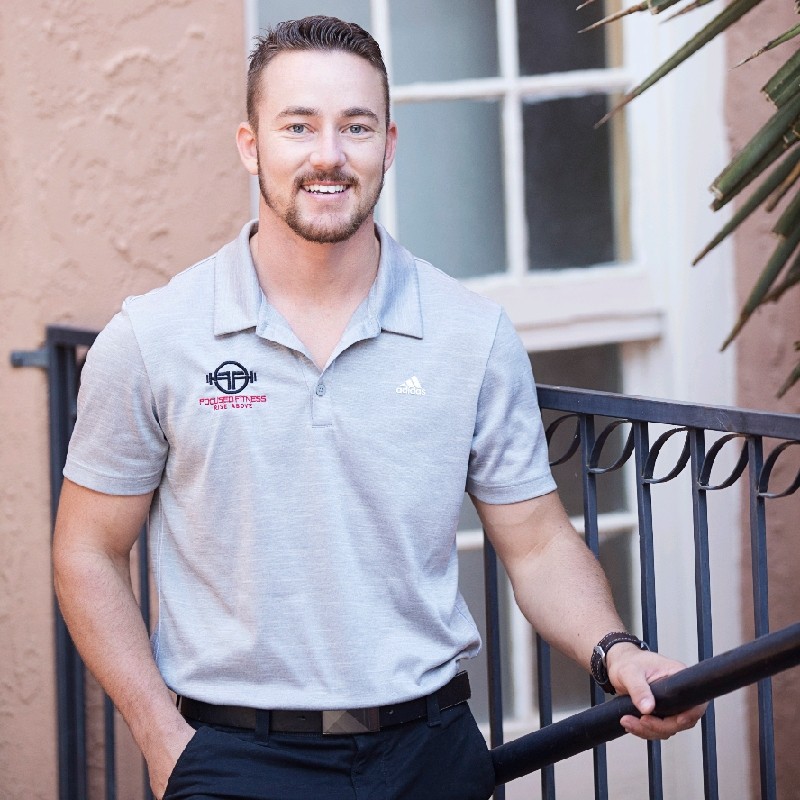
Tanner McCaslin is the Founder & CEO of Sunspot Medical Group, providing educational product information and training support across New Mexico and West Texas. Sunspot distributes Kerecis only to hospitals; SYLKE inquiries are welcome from other eligible healthcare organizations.