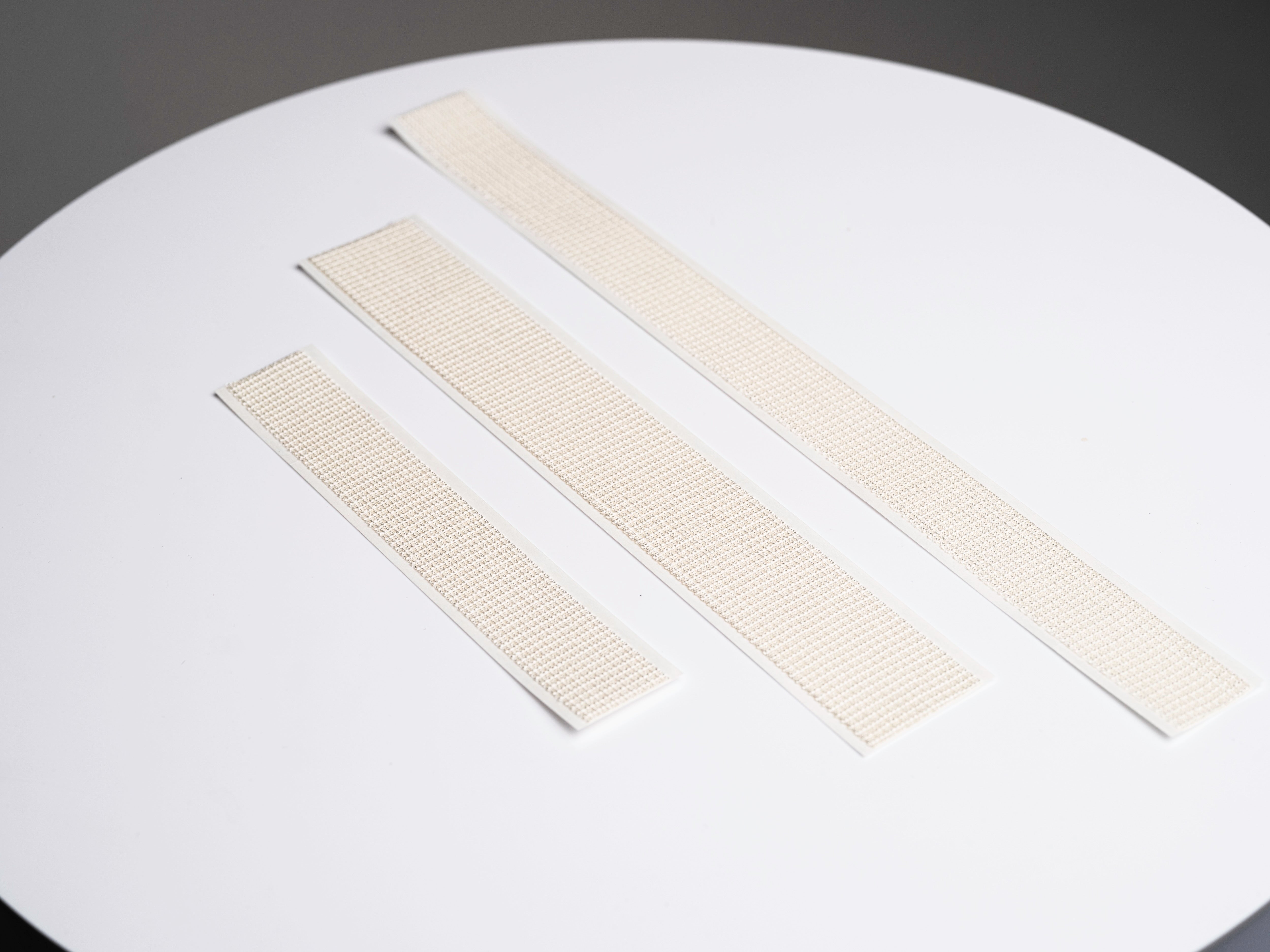
5x Stronger Than Steel
Spider silk fiber has superior tensile strength compared to steel of equivalent thickness. This exceptional structural integrity supports wound edges without the rigidity or tissue trauma of traditional closure methods.
First and only FDA-cleared wound closure device made from hypoallergenic silk fibroin derived from spider silk proteins. Advanced wound approximation with minimal tissue trauma and superior biocompatibility.
SYLKE represents a paradigm shift in wound closure technology. It is the first and only wound closure device composed of 99.9% pure hypoallergenic silk fibroin derived from bioengineered spider silk proteins. Unlike traditional sutures, staples, or synthetic adhesives, SYLKE provides optimal wound approximation while stimulating the body's natural healing mechanisms.
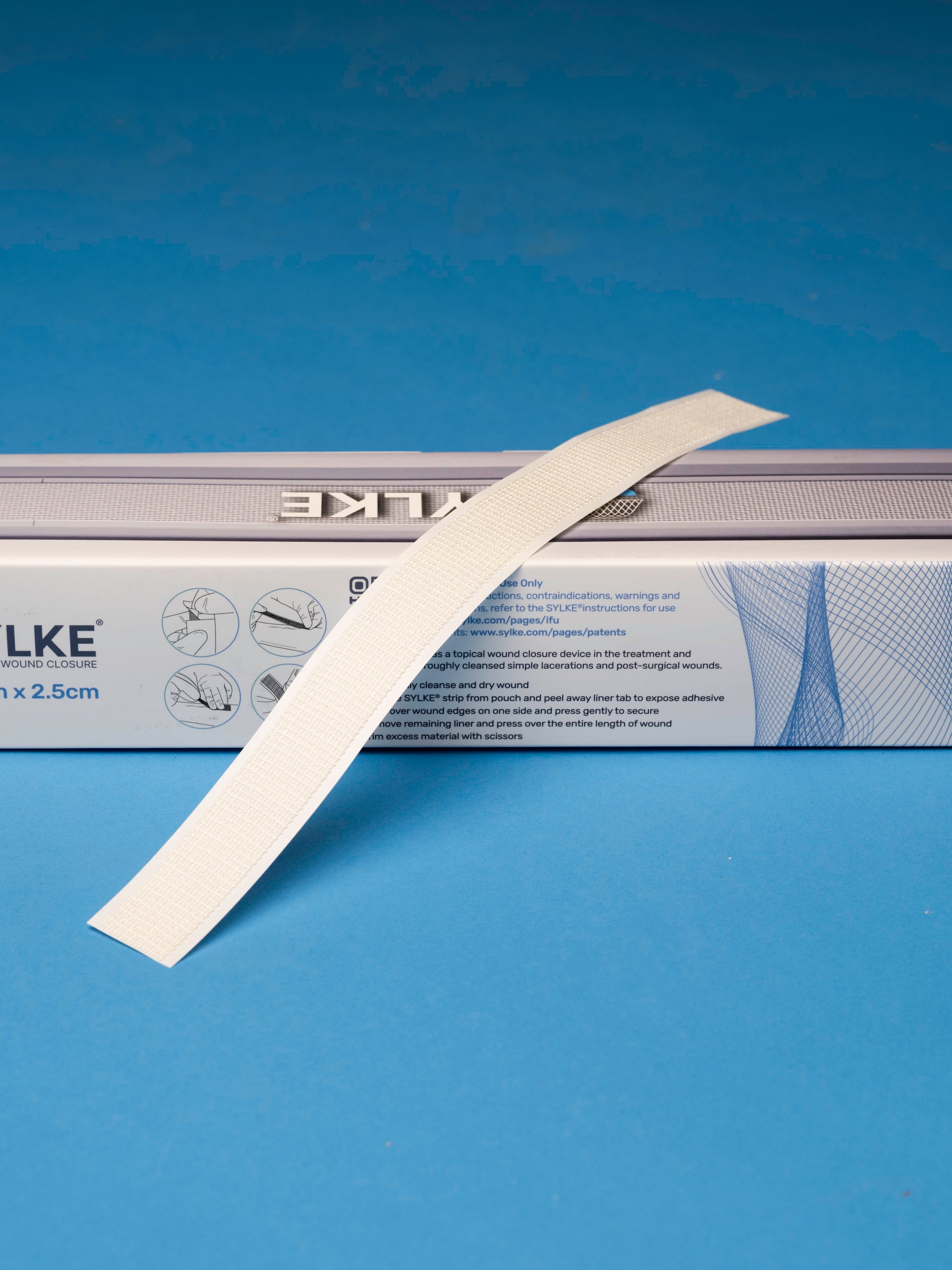
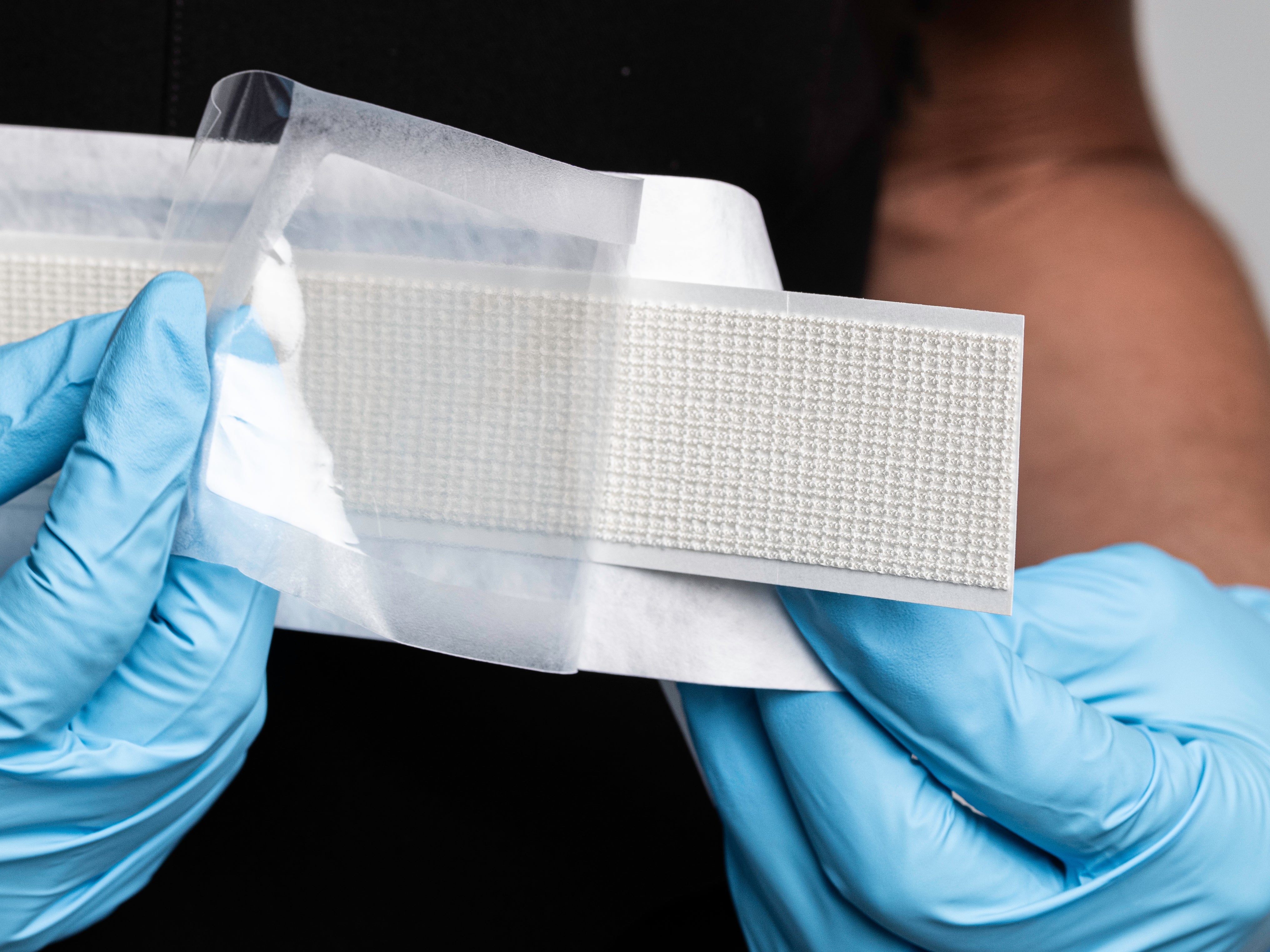
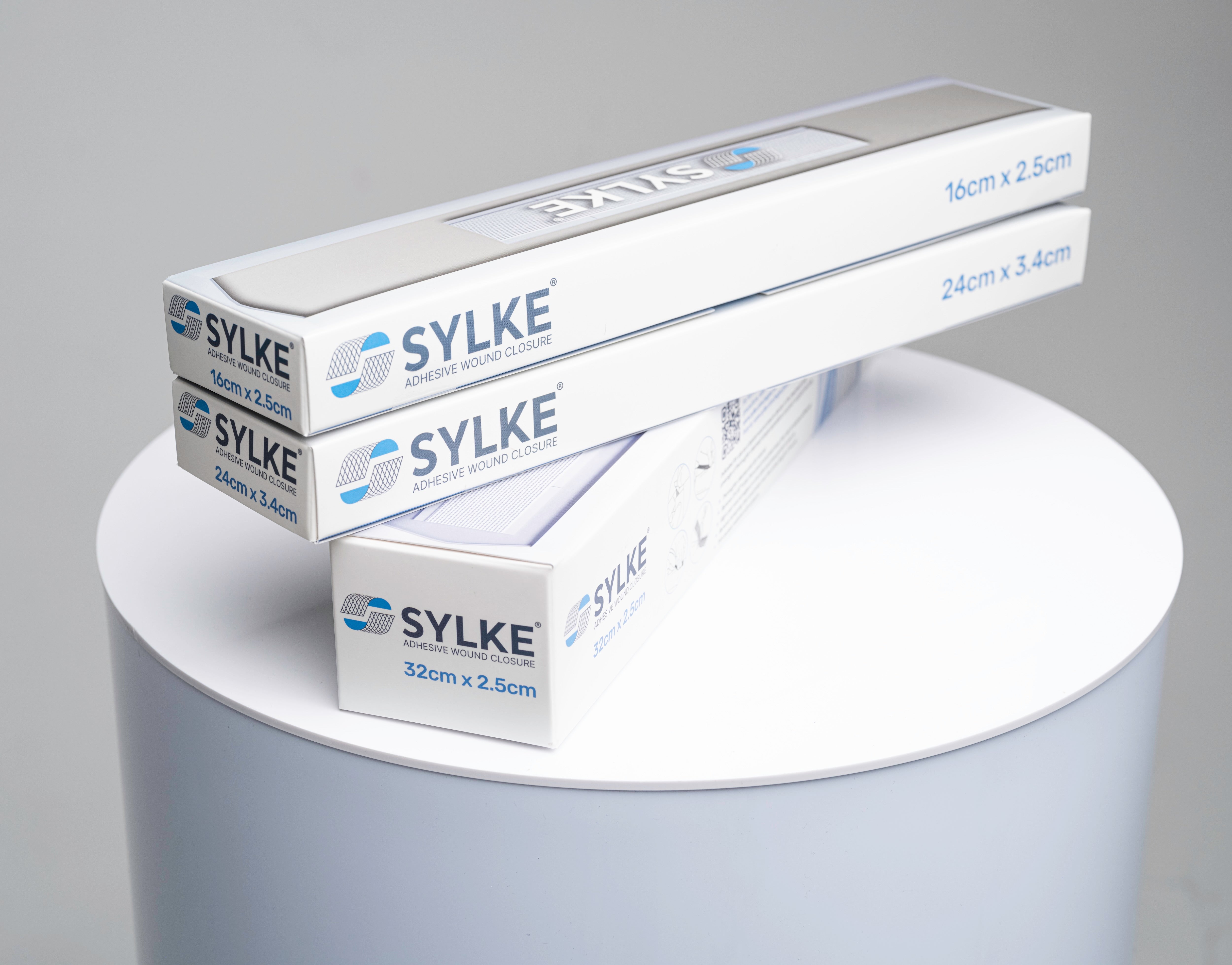
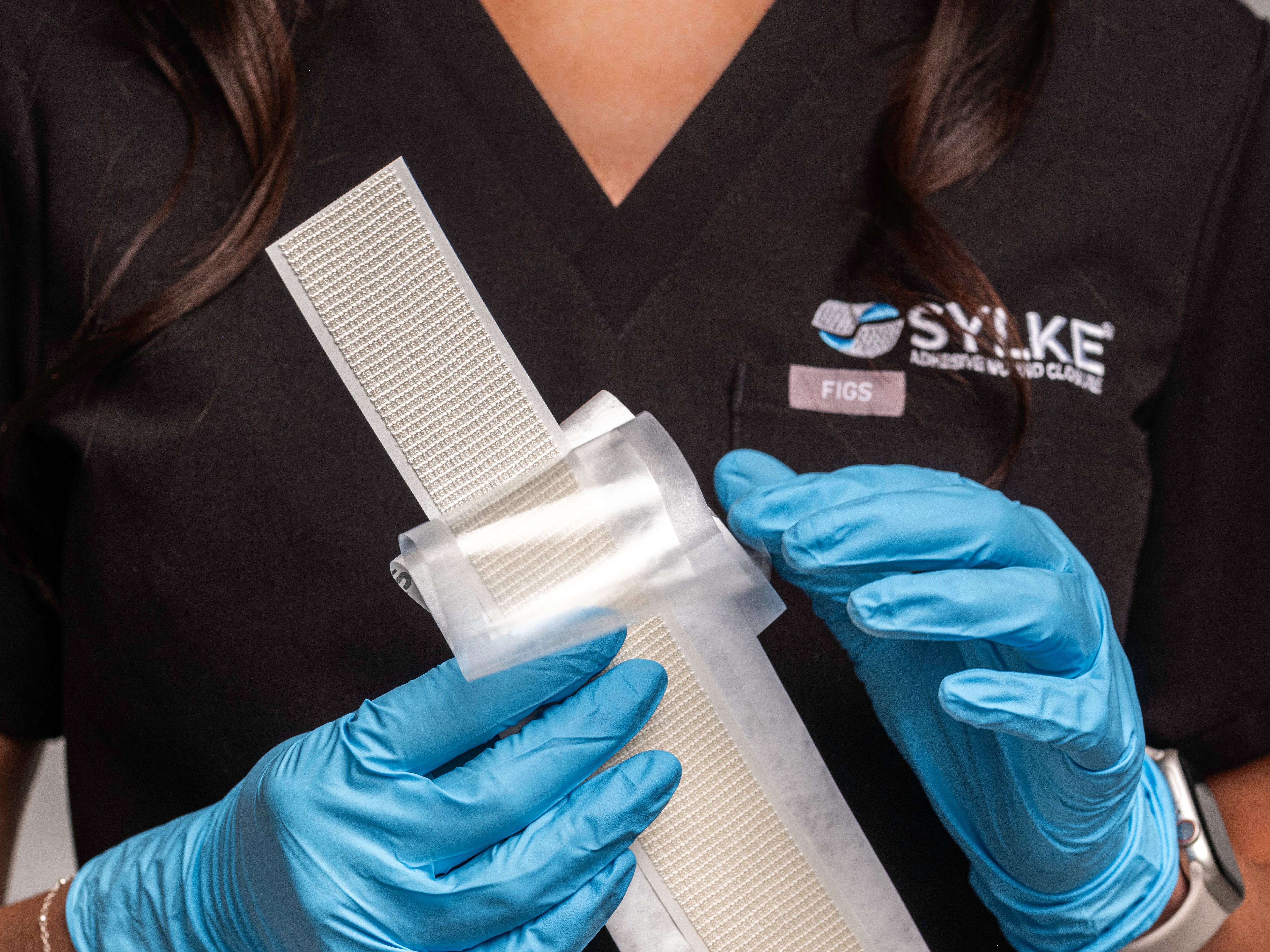
Each SYLKE device is a sterile, single-use strip measuring 32 centimeters in length and 2.5 centimeters in width, featuring pressure-sensitive acrylic adhesive for easy application and secure fixation. Designed for 14-day wear time with water-resistant properties, SYLKE allows patients to maintain normal activities and hygiene routines during the critical wound healing phase.
Recombinant spider silk technology represents decades of bioengineering research, delivering unprecedented strength, flexibility, and biocompatibility
Spider silk fiber has superior tensile strength compared to steel of equivalent thickness. This exceptional structural integrity supports wound edges without the rigidity or tissue trauma of traditional closure methods.
The unique molecular architecture of spider silk provides not just strength, but toughness—the ability to absorb and dissipate energy without breaking. This resilience protects approximated wound edges through normal movement and activity.
Unlike latex, synthetic adhesives, or tissue-reactive materials, silk fibroin is inherently non-antigenic and triggers minimal inflammatory response. The protein undergoes non-inflammatory biodegradation as healing progresses.
SYLKE's effectiveness stems from the unique biochemical properties of spider silk fibroin and its interaction with the wound healing cascade
SYLKE actively stimulates the production of critical growth factors essential for wound healing, particularly basic fibroblast growth factor (bFGF). These signaling molecules promote:
The protein structure of spider silk actively promotes angiogenesis—the formation of new blood vessels—resulting in:
The three-dimensional protein scaffold of SYLKE provides a supportive microenvironment that:
The 360° stretch capability of SYLKE offers unique biomechanical advantages:
| Active Component | 99.9% Pure Silk Fibroin |
| Source | Recombinant Spider Silk Proteins |
| Adhesive Type | Pressure-Sensitive Acrylic |
| Strip Dimensions | 32cm × 2.5cm |
| Stretch Capability | 360° Elastic |
| Wear Time | 14 Days |
| FDA Classification | Class I Medical Device |
| Registration Date | October 2023 |
| ISO Certification | ISO 13485:2016 |
| Manufacturer Location | Northern Italy |
| Inventor | Dr. M. Mark Mofid |
| Clinical Position | Johns Hopkins |
SYLKE is indicated for optimal wound approximation across diverse clinical scenarios
SYLKE provides ideal closure for simple lacerations, cuts, and puncture wounds in dermatologically sensitive locations or when minimizing scarring is essential. The adhesive application eliminates the need for suture removal appointments.
Following surgical procedures, SYLKE provides secure edge approximation with minimal tissue reaction. The elastic properties accommodate normal post-operative swelling and movement, reducing tension-related complications.
For cosmetic outcomes paramount to patient satisfaction, SYLKE excels in closure of abdominoplasty incisions, reduction mammaplasty, brachioplasty, and other body contouring procedures where scar minimization is critical.
SYLKE works synergistically with sutures for skin edge closure, providing additional approximation support while reducing suture tension. This combination technique reduces scarring and improves healing dynamics.
Head-to-head clinical comparisons demonstrate superior safety and tolerability
| Clinical Outcome | SYLKE | Dermabond Prineo | Improvement |
|---|---|---|---|
| Allergic Contact Dermatitis | 0% | 52% | 100% reduction |
| Discomfort/Irritation | 4% | 64% | 94% reduction |
| Clinical Outcome | SYLKE | Steri-Strips | Improvement |
|---|---|---|---|
| Erythema Incidence | 0% | 20.8% | 100% reduction |
| Holding Power (14 days) | Maintains | Degrades | Sustained closure |
MARSI encompasses erythema, erosion, skin stripping, and other adhesive-induced damage. SYLKE's hypoallergenic silk fibroin composition and pressure-sensitive acrylic formulation significantly reduce all MARSI categories compared to traditional adhesive wound closures and tape dressings.
Clinical Significance: Reduced MARSI improves patient comfort, enables extended wear time, and decreases demand for dressing changes and medical interventions.
Peer-reviewed research demonstrates the remarkable properties of recombinant spider silk for biomedical applications
Evidence-supported applications currently in development or clinical investigation
SYLKE's growth factor-stimulating properties and vascularization enhancement position it as a promising solution for chronic wounds including diabetic ulcers and pressure ulcers, where traditional closure methods provide inadequate support.
Clinical investigation phase: Studies evaluating SYLKE in diabetic foot ulcer management underway.
The porous architecture of spider silk fibroin enables loading of antimicrobial agents (vancomycin, levofloxacin) for sustained local delivery, providing infection prophylaxis directly at the wound site during the critical healing phase.
Preclinical optimization: Formulation development for topical and systemic antibiotic incorporation.
Engineering SYLKE with pH-responsive or bacterial lipopolysaccharide-responsive elements could enable intelligent drug release triggered specifically when infection signals are present, providing precision therapeutic intervention.
Preclinical research: Bioengineering strategies under evaluation.
Incorporating UV-absorbing chromophores into SYLKE could provide protection for post-surgical scars during the sun-sensitive early remodeling phase, reducing hyperpigmentation and improving long-term cosmetic outcomes.
Concept development: Material science optimization in progress.
Yes. SYLKE is specifically formulated for adhesive-sensitive patients. The 99.9% pure silk fibroin composition is inherently hypoallergenic and non-antigenic, with zero reported incidence of allergic contact dermatitis in clinical trials. The pressure-sensitive acrylic adhesive formulation is distinct from cyanoacrylates (super glues) and other synthetic adhesives known to trigger sensitivity reactions. Patients with documented adhesive allergies or sensitivities are excellent candidates for SYLKE.
The 360° stretch capability means SYLKE moves with the patient's skin during normal activities, accommodating the approximately 30% of skin stretch that occurs with daily movement and activity. This elastic approximation reduces tension and shear forces on the wound edges, which decreases ischemia at the closure line and reduces scar formation. Traditional non-elastic closure methods create rigid approximation that can compromise microcirculation and increase tension-related complications. The elastic properties of spider silk mimic natural skin's biomechanical properties, enabling physiologic wound support.
SYLKE is designed for 14-day wear time and maintains structural integrity and adhesive strength throughout this period. The water-resistant formulation allows patients to shower and maintain normal hygiene without SYLKE delaminating or losing efficacy. Most wounds achieve primary healing within this timeframe. If extended support is needed beyond 14 days, additional SYLKE strips can be applied or other closure methods can be transitioned to based on clinical assessment. The medical team managing care should assess healing progression at 7 days and provide guidance on expected removal timeline.
SYLKE and sutures serve similar closure functions but with distinct advantages and disadvantages. Sutures provide excellent holding power but require removal appointments, can create permanent suture track marks (Railroad tracks), trigger tissue foreign body reactions, and may cause discomfort during removal. SYLKE offers non-invasive closure without removal procedures, minimal inflammatory response, superior esthetic outcomes, and comfort throughout wear time. SYLKE is ideal for lacerations in cosmetically sensitive areas and when minimizing scarring is paramount. Sutures remain preferable for deep dermal closure where tension support is critical. Many surgeons use SYLKE for skin surface approximation in conjunction with deep sutures (combination technique).
SYLKE is indicated for clean or clean-contaminated wounds with no evidence of active infection. Active infections must be treated with appropriate antimicrobial therapy prior to SYLKE application. However, the emerging research on SYLKE with incorporated antimicrobial peptides suggests future potential for infection-fighting capabilities. Current clinical use requires that wounds be free of infection at the time of SYLKE application. Medical provider assessment is essential to determine infection status and readiness for closure.
SYLKE removal is simple and designed to be painless. After 14 days, the wound has typically achieved sufficient closure that SYLKE can be gently peeled away from the skin. The pressure-sensitive adhesive releases cleanly without the trauma associated with suture removal. To minimize any sensation during removal, gentle moistening of the strip edges with warm water can facilitate easier separation. Most patients report minimal to no discomfort during removal. SYLKE can be removed in the clinical office or, in many cases, patients can remove it safely at home following provider instructions.
Ideal SYLKE candidates include patients with: simple lacerations or cuts; low-tension wounds; minimal underlying tissue trauma; wounds in cosmetically visible areas where scarring minimization is important; history of adhesive sensitivity; or patient preference for non-invasive closure. SYLKE is less ideal for wounds with significant tension, deep structure involvement requiring strong dermal closure, or highly contaminated wounds. Wounds should be clean and properly prepared (clean irrigation, hemostasis control) before SYLKE application. Your healthcare provider can assess specific wounds to determine SYLKE suitability based on location, depth, tension characteristics, and patient factors.