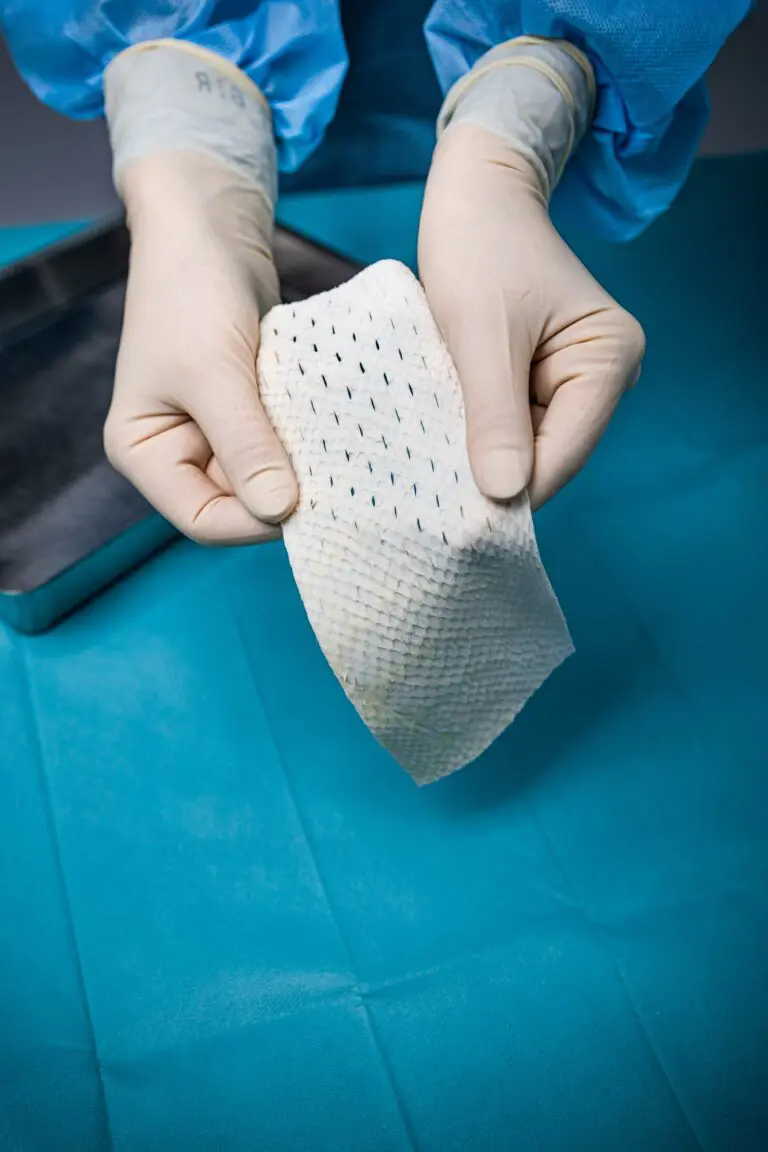
The only intact fish skin graft backed by 90+ peer-reviewed studies, the landmark Odinn Trial, and coverage for nearly 200 million Americans
Kerecis pioneered the use of intact Atlantic cod fish skin as an advanced biological scaffold for wound management and tissue regeneration — now part of Coloplast, a global leader in medical devices.

Because no known viral transfer risk exists between North-Atlantic cod and humans, Kerecis fish skin is only gently processed using the proprietary EnviroIntact™ method — preserving the skin's natural three-dimensional structure, mechanical properties, molecular organization, and lipid composition. This makes Kerecis products homologous to human skin, unlike mammalian grafts that require harsh antiviral treatment that strips away beneficial components.
Kerecis' patented fish skin is gently processed, preserving its homologous structure to human skin. These four hallmarks are recognized as optimal traits for a tissue replacement product.
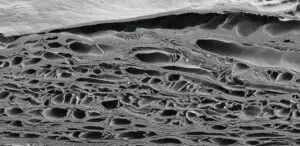
Fish skin is homologous to human skin, with a comparable pore structure that facilitates rapid cellular ingrowth. The gentle EnviroIntact™ process preserves the native extracellular matrix architecture — including the natural arrangement of collagen fibers, elastin, and glycosaminoglycans — creating an ideal scaffold for host cell infiltration and tissue formation.
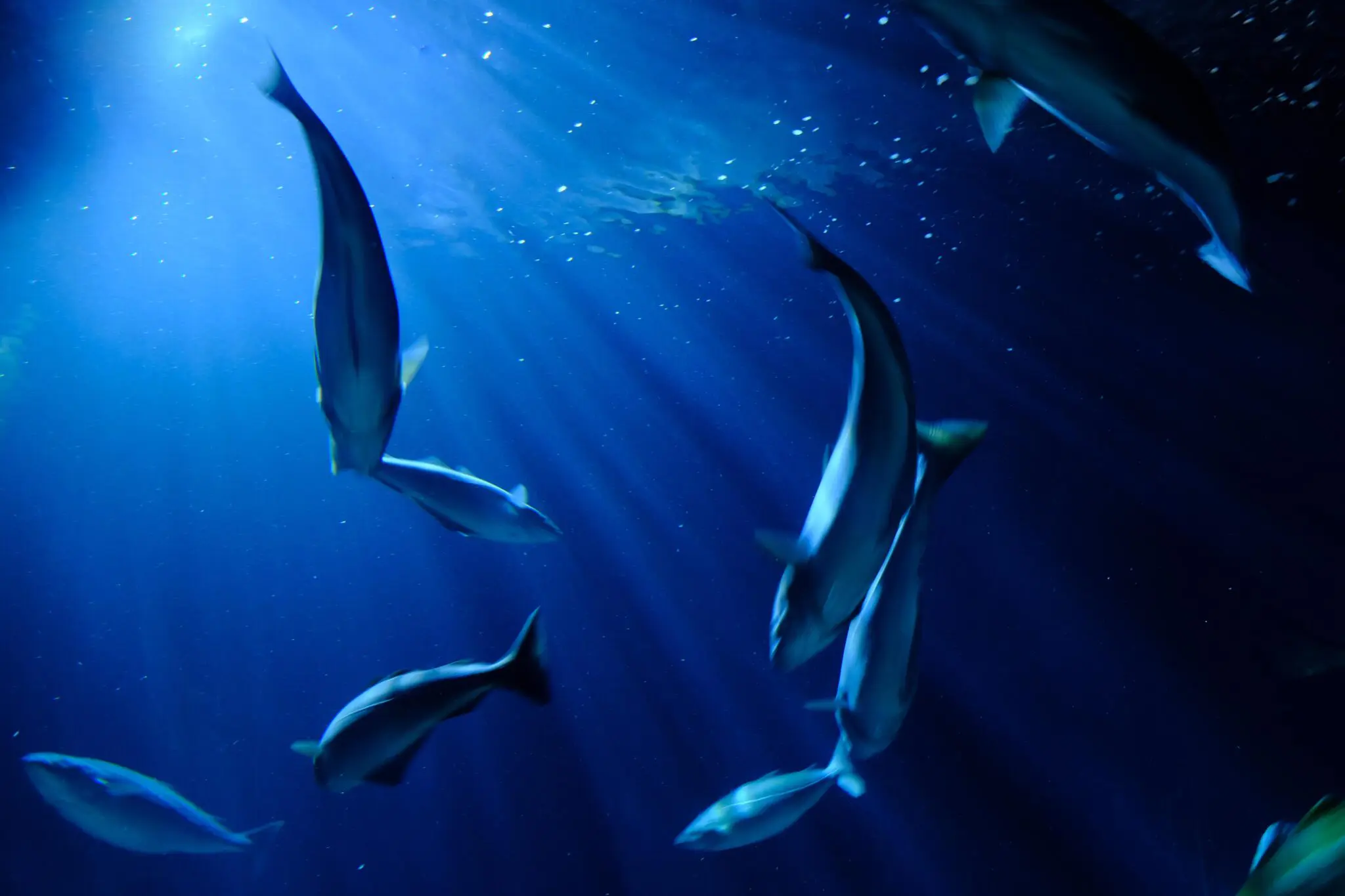
Because there is no need for harsh antiviral processing, the chemical complexity of the fish skin is preserved — including omega-3 polyunsaturated fatty acids (DHA and EPA) that activate specialized pro-resolving mediator (SPM) pathways. These reduce IL-1β production from macrophages, resolving inflammation while promoting healing. Fish skin has been shown to facilitate 20x more cell ingrowth than amniotic tissue.
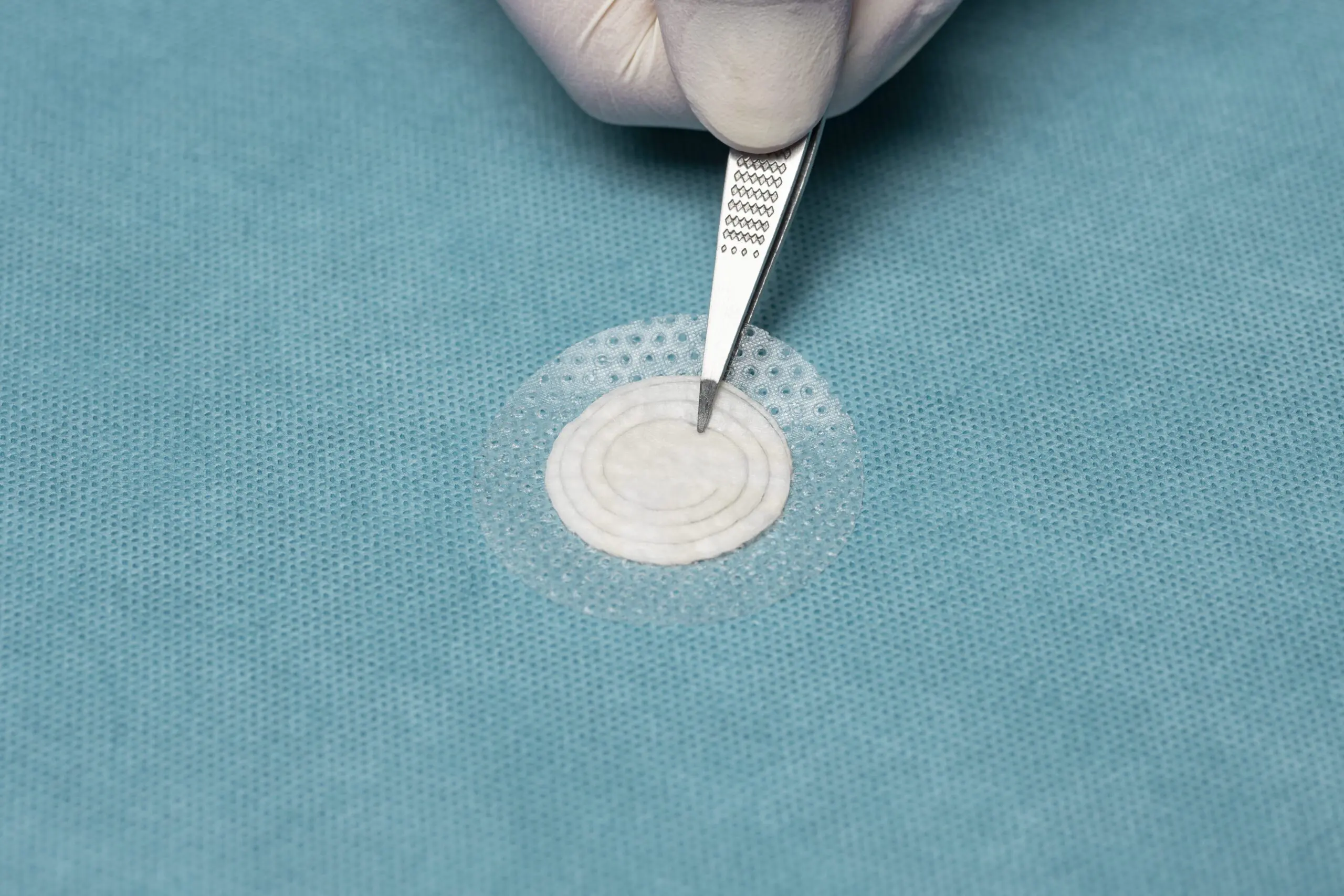
The intact structure of the fish skin provides a framework to support tissue regeneration. The natural porosity enables rapid ingrowth of fibroblasts (connective tissue) and blood vessels. When grafted onto a wound, human cells migrate into the fish skin pores and start forming connective tissue and facilitating neovascularization. The body incorporates the fish skin within 5–7 days.
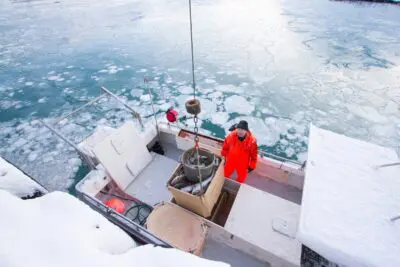
Kerecis fish skin is naturally strong, handles like skin, and is easy to suture or staple. It provides an immediate natural microbial barrier that protects against environmental insults while the wound transitions from the inflammatory to proliferative phase. The product resists shearing forces, allowing early physiotherapy — particularly important in burn management.
A proprietary 7-step method that preserves the capability of nature — gently processing Atlantic cod skin from Icelandic waters into a powerful regenerative medical device.
Fresh Atlantic cod fish skins are collected as a by-product of food processing from local fishing companies in Ísafjörður, Iceland. Only the best quality skins are chosen. No fish is caught solely for its skin.
All mucus is removed and the skins are descaled. Because Atlantic cod poses no risk of viral transmission to humans, the cleaning process is gentle — preserving beneficial components that harsh mammalian tissue processing destroys.
The intact fish skins undergo decellularization — removing fish cells without damaging or denaturing the natural matrix structure, lipid content, or biochemical composition.
The prepared skins are freeze-dried under vacuum, removing all water while preserving structural integrity and bioactive properties.
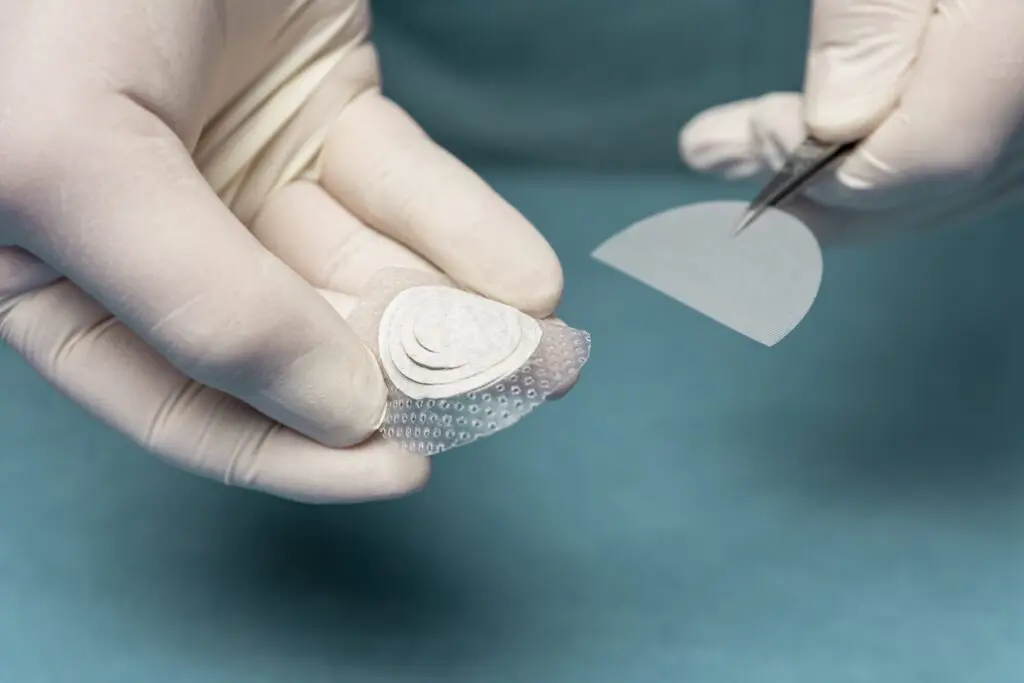
Skins are cut using precision carbide-tipped cutters. This also enables perfect meshing of expandable sizes and production of unique shapes like the hand-shaped Mano product for burn management.
Products undergo certified sterilization in accordance with international standards.
Products follow all regulatory and statutory protocols, then are boxed, packed, and shipped to customers worldwide. Full traceability is maintained from the exact ocean location where the fish was caught through to the finished product.
Five specialized product lines engineered for specific clinical indications and wound characteristics, available in multiple configurations.

Flagship product for head-to-toe management of chronic and acute wounds. Intact fish skin available in various sizes for DFUs, VLUs, pressure ulcers, surgical wounds, and trauma.
Variants: Solid, Micro (fragmented for irregular geometries), Fenestrated, Expanse (pre-meshed 2:1 for wounds 100+ cm²)
Billing: HCPCS Q4158 — $127.14/cm² (2026 Medicare)

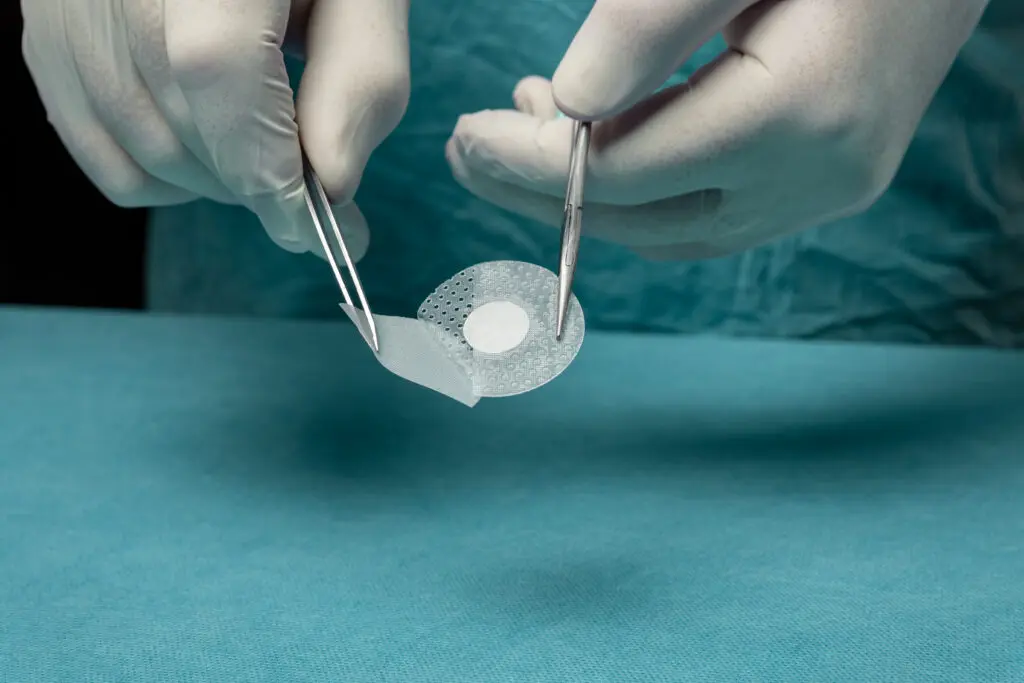
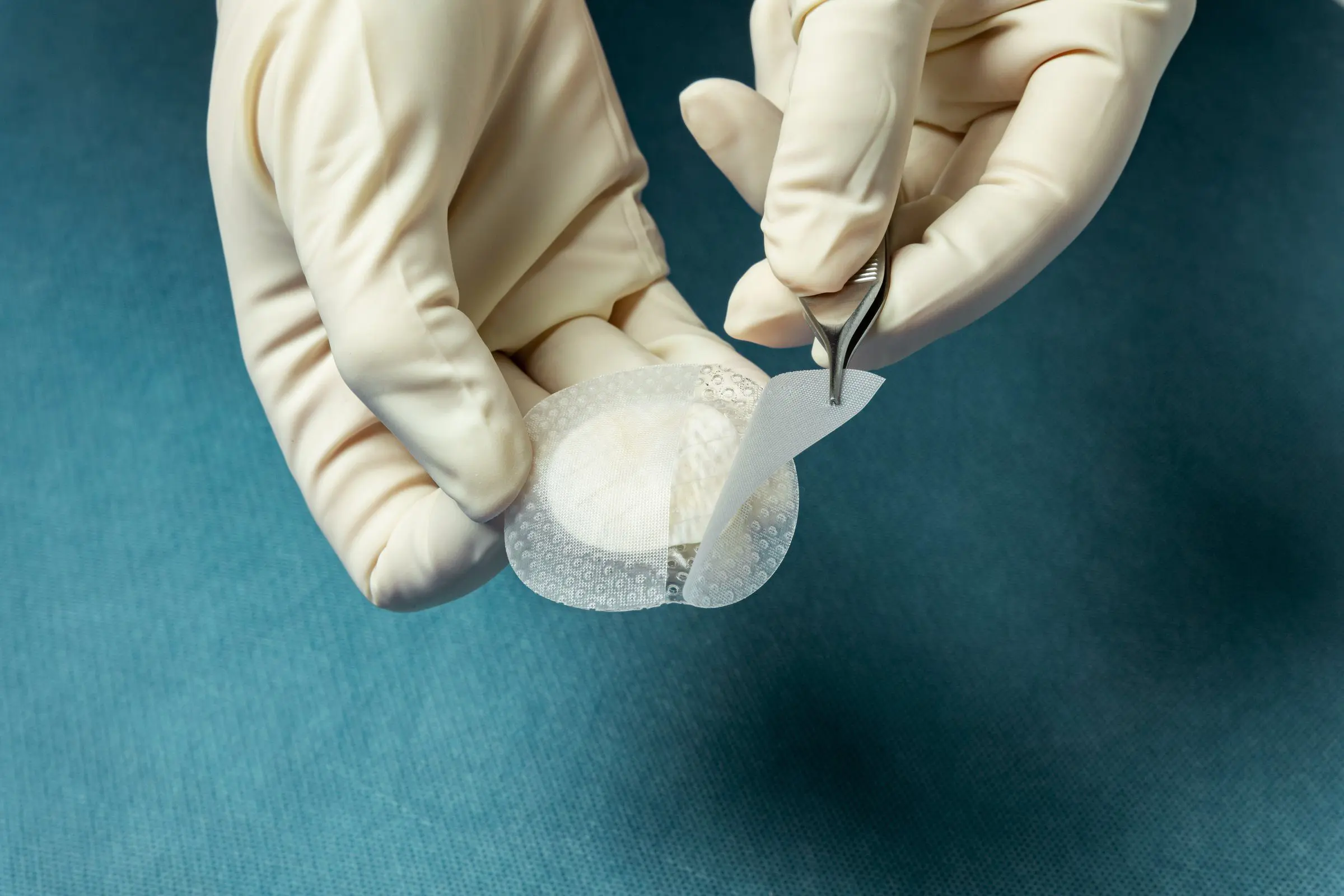
Intact fish skin with integrated silicone contact layer, designed for physician office use. Fenestrated graft with large-pore silicone for optimal exudate management. Protects the graft from sticking to dressings and speeds up application workflow.
Variants: Standard (50mm), Adhesive (30mm, 15mm), Spiral (30mm, 80mm)
Billing: HCPCS A2019 (Shield Adhesive) — $127.14/cm² (2026 Medicare)

Optimized for burn and surgical wound management. Adheres to wounds in various shapes and sizes including mobile joints, resists shearing forces for early physiotherapy, and supports restoration of skin pigmentation with minimized scarring.
Variants: Solid, Micro, Mano (hand-shaped in L/R, Medium/Large), Meshed 2:1
Application Methods: Secondary Intention, Bridging, Primary Closure (Alexander method)

Specialized for surgical and trauma wound closure including post-Mohs wounds, donor sites, podiatric surgery, and wound dehiscence.
Variants: Standard, Silicone (4 new sizes), Micro, Meshed 2:1

For soft tissue reinforcement, grafting, and tendon protection. Fish skin has been shown to facilitate 20x more cell ingrowth than amniotic tissue and promotes revascularization faster than mammalian-sourced tissue.
Variants: Solid, Fenestrated, Tendon Protect (for newly repaired tendons)
Sizes: 3x5 cm to 7x20 cm; Fenestrated up to 250 cm²
Kerecis has the most robust clinical evidence base of any fish skin graft product, including multiple randomized controlled trials demonstrating faster healing and superior outcomes.
A complex DFU managed with Kerecis MariGen — from sepsis to complete healing.
Patient: 58-year-old male with type II diabetes. Previously treated for two months for right foot sub-4th metatarsal head ulcer. Presented to the emergency room febrile and septic — wound was draining and positive for ecchymosis, edema, and erythema. Initial treatment included repeat surgical incision and drainage, 4th metatarsal head resection, and application of antibiotic beads.
Post incision and drainage. Antibiotic beads removed and excisional debridement performed to deep, healthy granulation tissue and tendon/muscle.
MariGen Micro and MariGen Fenestrated applied (15.0 cm × 5.0 cm × 3.0 cm wound) with wound VAC therapy.
Significant improvement in wound depth (12.5 cm × 3.5 cm × 1.5 cm). No sign of local infection. Continued weekly wound VAC changes, debridement, and 2 additional MariGen applications.
Advanced skin flap performed.
Three weeks after skin flap and 3 total MariGen applications — surgical incision completely healed. Patient returned to normal activities.
Kerecis products are covered by Medicare, Medicaid, and major commercial insurers — with approximately 150 million Americans now eligible for private insurance coverage in addition to existing Medicare coverage.
| Setting | CPT Code | Wound Size | 2026 Application Rate | Product Rate (Q4158) |
|---|---|---|---|---|
| HOPD | 15271 / 15275 | < 100 cm² | $755.08 | $127.14/cm² |
| HOPD | 15273 / 15277 | > 100 cm² | $2,107.97 | $127.14/cm² |
| ASC | 15271 | < 100 cm² | $404.93 | $127.14/cm² |
| ASC | 15273 / 15277 | > 100 cm² | $1,128.57 | $127.14/cm² |
| Physician Office | MariGen (Q4158) / Shield Adhesive (A2019) | $127.14/cm² | ||
The Kerecis Reimbursement Hotline team works closely with providers throughout benefit verification and prior authorization.
Phone: 844-KERECIS (844-537-3247)
Email: reimbursement@kerecis.com
Kerecis offers distinct biological, clinical, and practical advantages compared to mammalian grafts, synthetics, and human-derived tissue products.
Kerecis products are FDA-cleared for a wide spectrum of acute and chronic wounds, including wounds with exposed bone and tendon.
| Wound Category | Specific Indications | Recommended Product |
|---|---|---|
| Diabetic Foot Ulcers | DFUs including those with exposed bone or tendon; wounds not healed with standard therapy | Shield (office), MariGen (HOPD/ASC) |
| Chronic Wounds | Venous leg ulcers, pressure ulcers, chronic vascular ulcers, stasis ulcers, draining wounds | MariGen, MariGen Expanse (100+ cm²) |
| Burn Wounds | Second-degree (partial-thickness) burns, full-thickness burns, including mobile joints | GraftGuide (Solid, Mano, Meshed) |
| Surgical Wounds | Post-Mohs surgery, donor sites, podiatric surgery, post-laser surgery, wound dehiscence | SurgiClose, MariGen |
| Trauma & Acute | Abrasions, lacerations, skin tears, puncture wounds | SurgiClose, MariGen |
| Tendon & Soft Tissue | Tendon protection post-repair (Achilles, etc.), soft tissue reinforcement, plastic/reconstructive surgery | SurgiBind, SurgiBind Tendon Protect |
| Complex Wounds | Ischemic wounds, exposed structures (bone/tendon), refractory wounds | MariGen + adjunctive therapy |
Kerecis transforms what was once food-industry waste into life-saving medical devices — powered entirely by clean energy in one of the most pristine environments on Earth.
Cod fish skin was previously discarded as food processing waste. Kerecis utilizes only ~0.04% of Iceland's Atlantic cod supply, and no fish is caught solely for skin production.
All fish are wild-caught in the regulated, sustainable Arctic waters off Ísafjörður, Iceland. Full traceability from exact catch location through to finished product.
The entire biotech manufacturing facility runs on green geothermal and hydro power. Fish skins are washed with mountain spring water. No harsh chemicals are used.
Kerecis fish skin grafts have prevented thousands of amputations, improved quality of life, and potentially increased life spans.
Patients can track their healing journey with the Kerecis KERS Patient App — featuring week-by-week recovery information and resources.
Kerecis uses the proprietary EnviroIntact™ 7-step process on Atlantic cod fish skin from sustainable fisheries in Iceland. Because no known viral transfer risk exists between North-Atlantic cod and humans, the fish skin only needs gentle processing — unlike mammalian tissues that require harsh antiviral treatment. The 7 steps are: harvesting from certified food producers, washing and de-scaling, decellularization (removing fish cells without denaturing the matrix), lyophilization (freeze-drying), precision cutting, sterilization to international standards, and labeling/shipping. This gentle approach preserves the skin's natural 3D structure, omega-3 fatty acids, porosity, and biochemical composition — making it homologous to human skin.
No. Per the manufacturer's contraindications, Kerecis products are derived from fish sources and should not be used in patients with a known allergy to fish or sensitivity to fish products. Note that fish allergy is distinct from shellfish allergy — a shellfish allergy alone is not a contraindication. Additionally, SurgiClose Silicone and Shield products contain silicone and are not suitable for patients with silicone sensitivity. Always consult the product labeling for the full list of contraindications.
Application depends on the product and wound type. The wound must first be properly debrided with exudate controlled and bleeding managed. For GraftGuide (burns/surgical), there are three methods: Secondary Intention (accelerate full epithelialization), Bridging (prepare a healthy wound bed for a subsequent auto/allograft), and Primary Closure using the Alexander method (apply over a highly-meshed STSG). Shield products (office-based) are designed for quick application — the integrated silicone contact layer protects the fish skin graft, and the adhesive variant keeps it in place. The silicone can be removed without pulling the graft from the wound. It takes approximately 5–7 days for the body to incorporate the fish skin, eliminating painful device removal and dressing changes. Multiple applications may be needed for complete healing.
Yes — Kerecis has extensive coverage. Medicare reimburses MariGen using HCPCS code Q4158 at $127.14 per sq cm (2026 rate), and Shield Adhesive uses code A2019 at the same rate. Application is reimbursed using CPT codes 15271–15278 depending on wound size and site of service. In addition to Medicare, approximately 150 million Americans now have commercial insurance coverage through Anthem BCBS, Humana, and Cigna, which have rated Kerecis MariGen as "medically necessary" for DFUs not healed with standard therapy. Clinicians can use the Kerecis Current™ tool to instantly verify patient eligibility through their EMR. The Kerecis Reimbursement Hotline (844-KERECIS / 844-537-3247) provides benefit investigation, prior authorization support, and fee schedule information.
The Odinn Trial is the largest randomized controlled trial ever conducted on diabetic foot ulcers with exposed bone or tendon — a wound type that historically had very limited clinical evidence. The study enrolled 255 patients at 15 care centers across four countries and was published in the New England Journal of Medicine Evidence in October 2024. This landmark study filled a critical void in the evidence base for complex DFU management, demonstrating the efficacy and safety of intact fish skin graft treatment for the most challenging diabetic wounds.
Three key differences: First, because no viral transfer risk exists between cod and humans, Kerecis fish skin is gently processed — preserving the natural 3D structure, omega-3 fatty acids, and biochemical complexity that harsh processing destroys in mammalian and human tissue products. Second, fish skin facilitates 20x more cell ingrowth than amniotic tissue and promotes faster revascularization than mammalian tissue. Third, the natural omega-3 content (EPA and DHA) activates specialized pro-resolving mediator pathways that actively reduce inflammation — a biological mechanism that synthetic products completely lack. There are also no cultural or religious barriers to using fish skin, unlike porcine or cadaveric products.
Contact Sunspot Medical Group in Las Cruces, NM to discuss Kerecis products for your patients or facility. We can assist with product samples, ordering, insurance verification, and clinical training.
Request Product InformationPatient Disclaimer: Kerecis fish skin grafts are prescription medical devices that should only be applied by medically trained physicians after proper wound preparation including debridement. The information on this page is for educational purposes and does not constitute medical advice. Individual outcomes depend on wound characteristics, patient factors, application technique, and comprehensive wound care management.
Contraindications: Products should not be used in patients with a known allergy to fish or sensitivity to fish products. Do not apply over infected or deteriorating wounds until the underlying cause has been resolved. SurgiClose Silicone and Shield products are not suitable for patients with silicone sensitivity. SurgiBind is not indicated for load-bearing support. Always follow product labeling for complete indications and contraindications.
Healthcare providers and facilities in Las Cruces and surrounding areas can contact us for product samples, ordering information, and clinical support.